Category: Let’s talk about weight

Articles on weight, thyroid and metabolism by Dr. Barbara Manga.

  • Is there such a thing as an ideal weight?

    Is there such a thing as an ideal weight?

    Almost everyone arrives at the clinic with a number in mind. It is usually the weight they had at twenty, or the one that appears in a table online. It is worth reviewing where that number comes from.

    BMI is a compass, not a map

    Body mass index is useful for populations but very crude for individuals: it does not distinguish muscle from fat, nor take into account where fat accumulates. A very muscular person can come out as «overweight» and someone with a normal BMI can carry a significant excess of fat.

    What really matters

    Body fat percentage, waist circumference and the evolution of your metabolic markers — glucose, insulin, lipid profile, blood pressure — say far more about your health than the number on the scale.

    A realistic and useful goal

    In most cases, losing between 5 and 10% of your weight already produces clear improvements in blood pressure, blood sugar, joint pain, sleep apnoea and quality of life. That is the first reasonable target; from there we reassess.

    Your healthy weight is your own

    There is no universal ideal weight. There is a weight at which your body works well, your test results follow and you can sustain your habits without suffering. That is the one we define together in consultation.

    View this post on Instagram

    Originally published by Dr. Bárbara Manga on @hablemos_sobre_peso

    Shall we talk about your case?

    Full endocrinology assessment in Palma de Mallorca: Wednesdays at Mesomedic and Thursdays at Quirúrgica Balear. Consultations in Spanish, English and Portuguese.

    Book via DoctoraliaWhatsApp MesomedicWhatsApp Quirúrgica Balear
  • How to raise your basal metabolic rate

    How to raise your basal metabolic rate

    Basal metabolism is the energy you spend simply by being alive: breathing, keeping your temperature, making your heart beat. It accounts for most of your daily expenditure, which is why it matters so much when you are trying to lose weight.

    Build muscle mass

    Muscle is metabolically active tissue: the more you have, the more you burn at rest. Strength training, two or three times a week, is the most effective lever and the most neglected one, especially in women.

    Eat enough protein

    Protein has the highest thermic effect of all macronutrients: part of what you eat is spent digesting it. It also protects muscle mass during weight loss, which is exactly what we do not want to lose.

    Avoid long, very restrictive diets

    Extreme restrictions kept up over time lower resting expenditure and make rebound easier. A moderate, sustainable deficit is preferable to an aggressive one you will not be able to maintain.

    Sleep and move every day

    Poor rest disrupts appetite hormones and reduces spontaneous activity. And everyday movement — walking, stairs, standing — adds up more over a year than any isolated gym session.

    View this post on Instagram

    Originally published by Dr. Bárbara Manga on @hablemos_sobre_peso

    Shall we talk about your case?

    Full endocrinology assessment in Palma de Mallorca: Wednesdays at Mesomedic and Thursdays at Quirúrgica Balear. Consultations in Spanish, English and Portuguese.

    Book via DoctoraliaWhatsApp MesomedicWhatsApp Quirúrgica Balear

  • “I exercise a lot and I am not losing weight”

    “I exercise a lot and I am not losing weight”

    This is one of the sentences I hear most, and it almost always comes with frustration. If you train consistently and the weight does not go down, there are several possible explanations, and none of them is that you are cheating.

    Exercise burns less than you think

    An intense one-hour session rarely goes above 400-500 kcal, which is offset by very little food. Exercise is essential for cardiovascular health, muscle mass and appetite control, but as an isolated tool for creating a calorie deficit it is weak.

    The body compensates

    After training, hunger increases and, without noticing, spontaneous movement drops for the rest of the day. It is an automatic energy-saving mechanism: the body defends its reserves.

    The scale does not measure what matters

    If you gain muscle mass and lose fat at the same time, your weight can stay the same while your body composition improves a great deal. That is why in clinic we look at fat percentage and circumferences, not only kilos.

    What to do

    Organise your eating (especially protein and carbohydrate control), add strength work to your training, increase everyday movement and rule out hormonal causes such as hypothyroidism or insulin resistance. And if it still does not move, consider drug support.

    View this post on Instagram

    Originally published by Dr. Bárbara Manga on @hablemos_sobre_peso

    Shall we talk about your case?

    Full endocrinology assessment in Palma de Mallorca: Wednesdays at Mesomedic and Thursdays at Quirúrgica Balear. Consultations in Spanish, English and Portuguese.

    Book via DoctoraliaWhatsApp MesomedicWhatsApp Quirúrgica Balear
  • What treatments are available today for obesity?

    What treatments are available today for obesity?

    When someone comes to the clinic after years of dieting, the first thing they want to know is what the real options are. The answer is that today there are more and better ones than ever, but not all of them suit everyone.

    1. The foundation: nutrition and physical activity

    It is not the flashiest step, but it is the essential one. No later treatment works well or lasts over time without an orderly eating pattern and daily movement.

    2. Drug treatment

    GLP-1 and GIP analogues have changed the picture in recent years: they act on the satiety signal and make it possible to sustain a calorie deficit without the constant fight against hunger. They require a prescription, dose adjustment and medical follow-up; they are not an over-the-counter product.

    3. Intragastric balloon

    An intermediate option, reversible and without surgery, useful in selected patients and as a bridge to start changing habits with less hunger.

    4. Bariatric and metabolic surgery

    Sleeve gastrectomy and gastric bypass remain the most effective treatment in severe obesity and in obesity with comorbidities such as type 2 diabetes. It requires prior assessment, a change of habits and lifelong follow-up.

    Which one is right for you?

    It depends on your body mass index, your body composition, your associated conditions, your history of previous attempts and your preferences. That decision is made in consultation, with you, not in a search engine.

    View this post on Instagram

    Originally published by Dr. Bárbara Manga on @hablemos_sobre_peso

    Shall we talk about your case?

    Full endocrinology assessment in Palma de Mallorca: Wednesdays at Mesomedic and Thursdays at Quirúrgica Balear. Consultations in Spanish, English and Portuguese.

    Book via DoctoraliaWhatsApp MesomedicWhatsApp Quirúrgica Balear
  • Bariatric surgery: what it does change and what it does not

    Bariatric surgery: what it does change and what it does not

    There is a very widespread and very mistaken idea: that having surgery solves the problem and from then on you can eat anything. It is worth clarifying before taking the step.

    What surgery does not do

    Having bariatric surgery does not mean skipping diet or exercise. On the contrary: it requires adapting your eating towards a pattern low in carbohydrates and fats and rich in protein, and keeping it over time.

    What surgery does do

    It is a great help for sticking with physical activity, because once the excess weight is gone the body finally cooperates. And above all, it takes hunger out of the equation: that gives the patient back the self-control they had been fighting to recover for years.

    The results

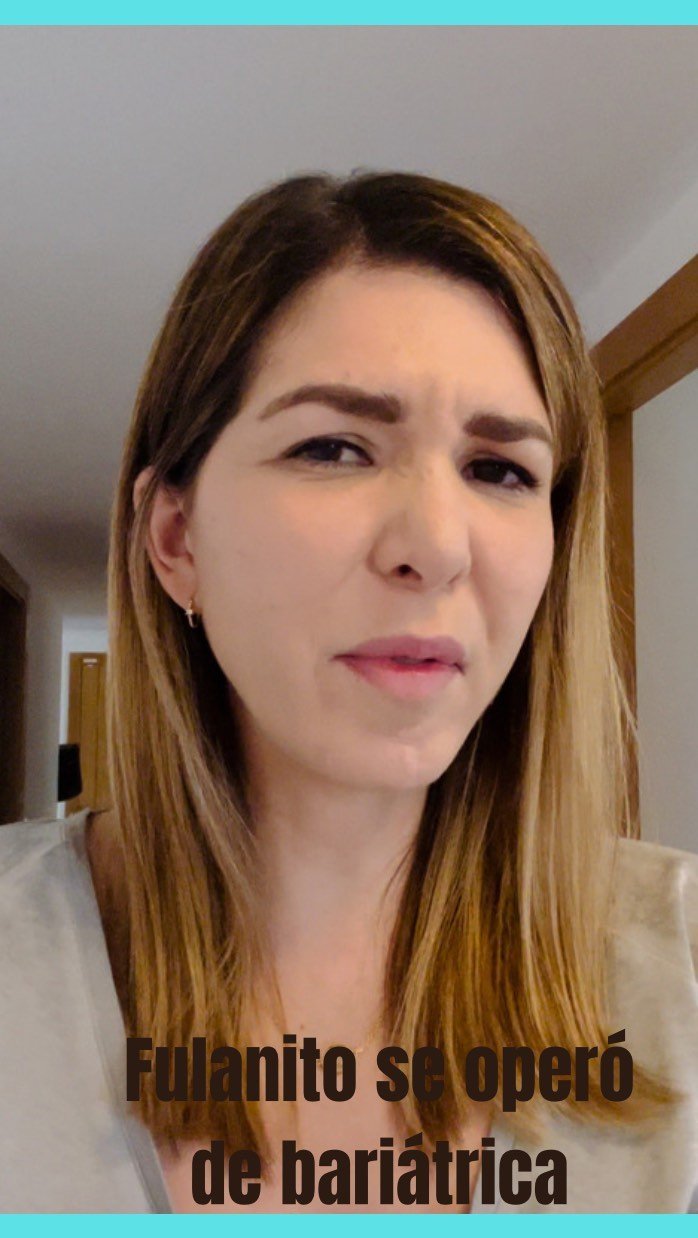
    The results speak for themselves. Patients lose a lot of weight and, above all, they are satisfied with the change. Here is the testimony of a much-loved patient: he went serious in front of the camera, but very soon after surgery he describes a clear improvement in his daily life.

    View this post on Instagram

    Originally published by Dr. Bárbara Manga on @hablemos_sobre_peso

    View this post on Instagram

    Originally published by Dr. Bárbara Manga on @hablemos_sobre_peso

    Shall we talk about your case?

    Full endocrinology assessment in Palma de Mallorca: Wednesdays at Mesomedic and Thursdays at Quirúrgica Balear. Consultations in Spanish, English and Portuguese.

    Book via DoctoraliaWhatsApp MesomedicWhatsApp Quirúrgica Balear
  • “Light”, “zero” and “no added sugar”: always read the label

    “Light”, “zero” and “no added sugar”: always read the label

    I like to run a small experiment when I am on holiday: take two versions of the same product, the traditional one and the «light» one, and compare their labels. The result is usually revealing.

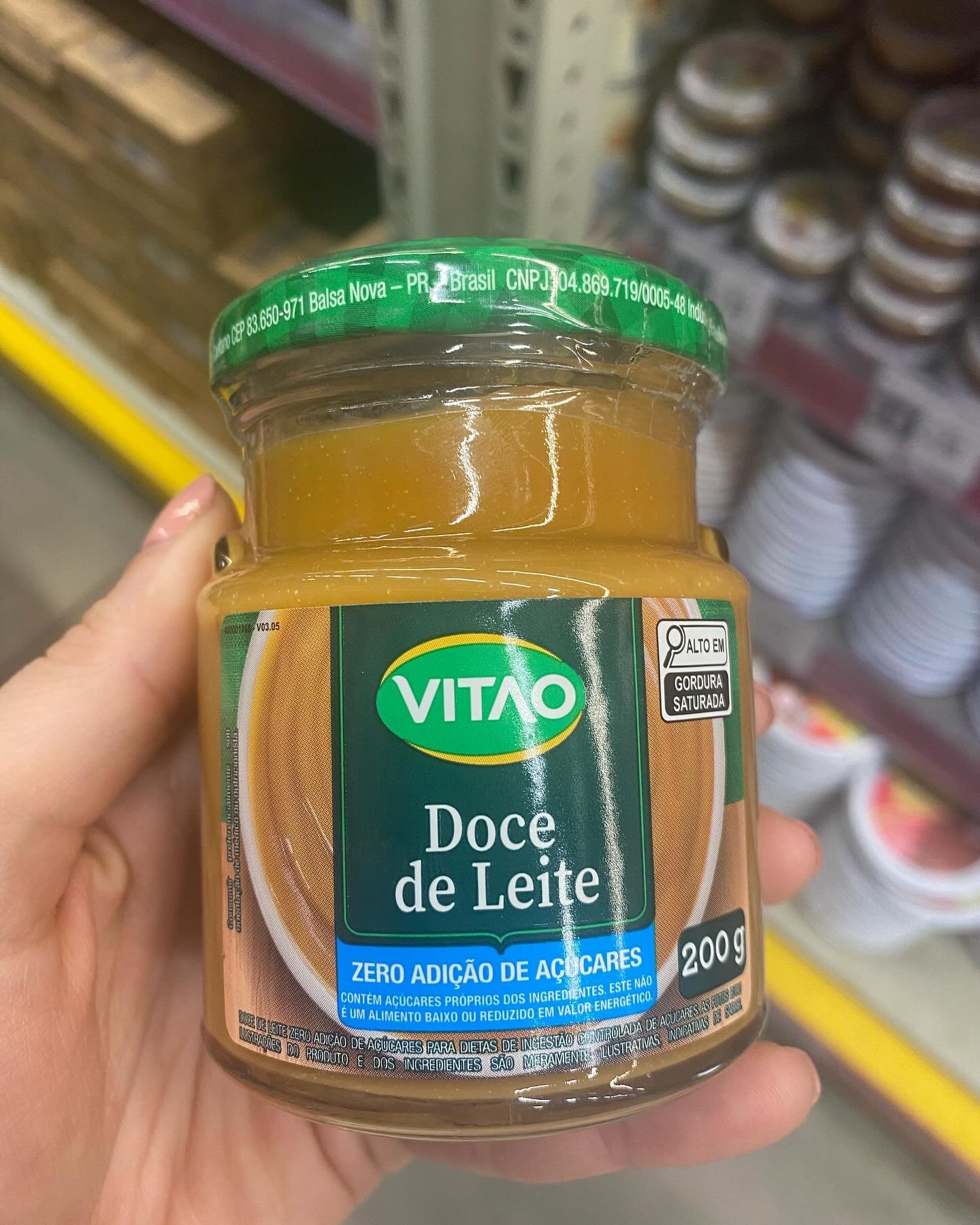
    A real example: dulce de leche

    Traditional version, per 100 g: 315 kcal, 55 g of carbohydrate and 8 g of fat. Zero version, per 100 g: 300 kcal, 40 g of carbohydrate and 11 g of fat. That is fifteen calories less per hundred grams, less sugar but more fat. Per spoonful, the difference is about three calories.

    And the price?

    The zero version cost more than twice as much. The question I leave you with is simple: would you pay double to save three calories per spoonful?

    What to do instead

    «Light», «zero» or «no added sugar» are marketing claims, not nutritional guarantees. Turn the package around and look at the table: calories, carbohydrates, fats and the ingredient list. If the product is still ultra-processed, it will stay ultra-processed under the green label.

    View this post on Instagram

    Originally published by Dr. Bárbara Manga on @hablemos_sobre_peso

    Shall we talk about your case?

    Full endocrinology assessment in Palma de Mallorca: Wednesdays at Mesomedic and Thursdays at Quirúrgica Balear. Consultations in Spanish, English and Portuguese.

    Book via DoctoraliaWhatsApp MesomedicWhatsApp Quirúrgica Balear

  • Be careful with what “your body is asking for”

    Be careful with what “your body is asking for”

    We hear a lot of advice about giving your body what it asks for. As an endocrinologist, I would ask you to be careful with that phrase: what the body asks for is often not a physiological need, but a learned response to products designed to produce exactly that.

    The industry sells, it does not care for you

    There is still no genuinely reliable regulation of the food industry. Products on the shelf are designed to sell; your health is not their objective. It is worth remembering that every time a package promises wellbeing.

    Carbohydrates and the brain

    Fast-absorbing carbohydrates are highly addictive for your metabolism and for your brain. They activate reward circuits very similar to those of other substances: that is why you cannot stop with certain foods and you can with others.

    Additives and endocrine disruptors

    Preservatives, colourings, sweeteners and flavour enhancers form a group whose long-term effects we still do not know precisely; many act as endocrine disruptors. What is documented is that rising consumption of ultra-processed food is associated with a long list of diseases, cancer included.

    Two simple rules

    Always choose natural food and always read the nutrition label. Those two habits solve a good part of the problem before it reaches your plate.

    View this post on Instagram

    Originally published by Dr. Bárbara Manga on @hablemos_sobre_peso

    Shall we talk about your case?

    Full endocrinology assessment in Palma de Mallorca: Wednesdays at Mesomedic and Thursdays at Quirúrgica Balear. Consultations in Spanish, English and Portuguese.

    Book via DoctoraliaWhatsApp MesomedicWhatsApp Quirúrgica Balear
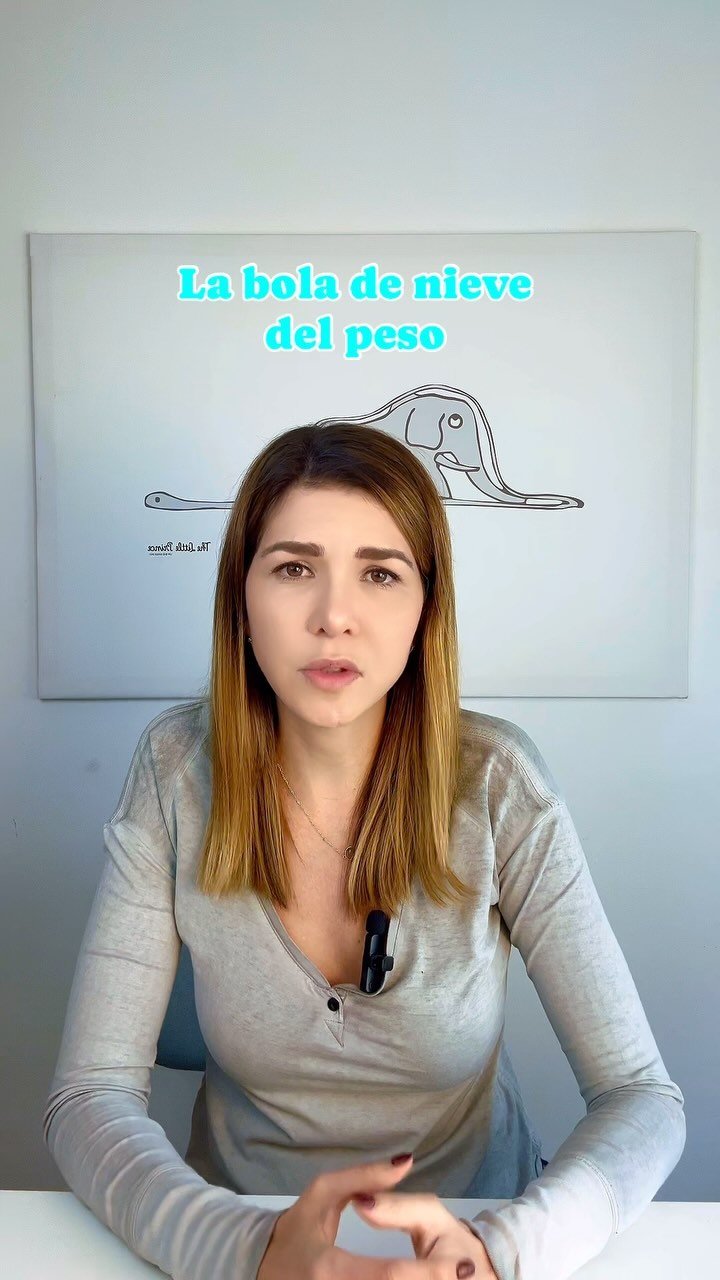
  • The weight snowball: why every kilo makes the next one harder

    The weight snowball: why every kilo makes the next one harder

    Obesity is not a failure of willpower: it reflects a genetic mismatch with the environment we live in today. Our body is still programmed for a world of scarcity that no longer exists.

    The body is never satisfied

    One of the most unfair mechanisms of metabolism is that the body never decides it has enough reserve. It keeps storing. And the more fat tissue is already stored, the easier it becomes to store more and the harder it becomes to remove it. It is, quite literally, a snowball.

    What this means in practice

    It means that waiting to see if it sorts itself out almost never works, and that someone who has lived with excess weight for years needs more help, not less. It also explains why the same effort that took five kilos off you at 25 barely moves the scale today.

    The foundation has not changed

    Diet and exercise remain the unavoidable basis for reaching a calorie deficit: there is no shortcut that replaces them. But there is help, and today it is better than ever: GLP-1 analogues, the intragastric balloon and bariatric or metabolic surgery in the cases that need it. The key is choosing the right tool for each person, and that is decided in consultation.

    View this post on Instagram

    Originally published by Dr. Bárbara Manga on @hablemos_sobre_peso

    Shall we talk about your case?

    Full endocrinology assessment in Palma de Mallorca: Wednesdays at Mesomedic and Thursdays at Quirúrgica Balear. Consultations in Spanish, English and Portuguese.

    Book via DoctoraliaWhatsApp MesomedicWhatsApp Quirúrgica Balear
  • Why am I gaining weight? The five causes I see most often in clinic

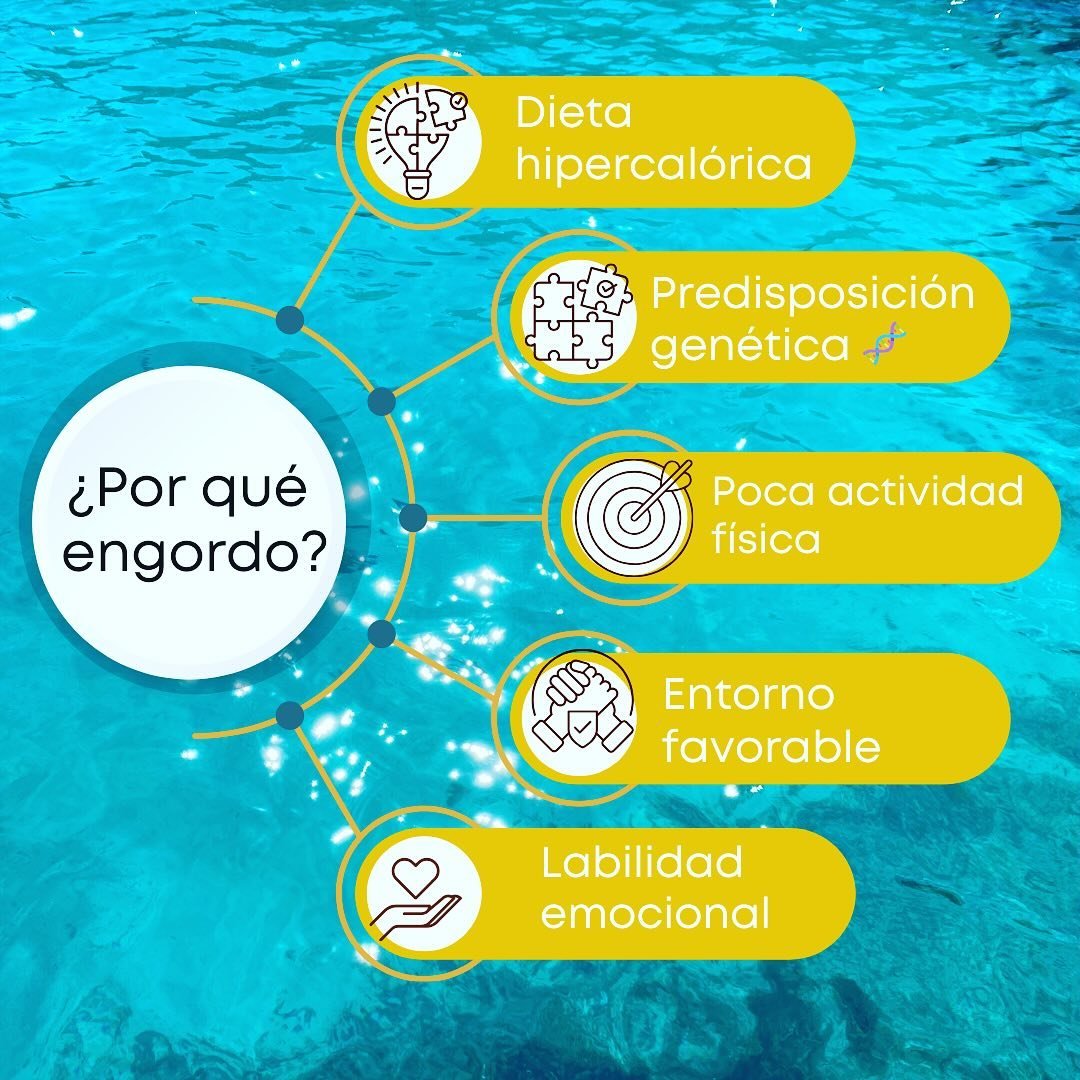
    Why am I gaining weight? The five causes I see most often in clinic

    It is the question that opens almost every first appointment: “Doctor, why am I gaining weight if I barely eat?”. The answer is rarely a single thing. In endocrinology we usually find five pieces acting at the same time, and understanding which one weighs most in your case is the first step to treating it properly.

    1. A high-calorie diet that does not look like one

    Excess calories almost never come from eating «a lot», but from eating dense: drinks, sauces, ultra-processed food, snacking and portions that have grown without us noticing. Writing down what you eat for a week is usually more revealing than any blood test.

    2. Genetic predisposition

    Genetics do not decide your weight, but they do set the playing field: how hungry you feel, how easily you store fat and where you accumulate it. That is why two people on the same diet do not respond the same way, and why comparing yourself with others does not help.

    3. Too little physical activity

    I am not only talking about the gym. The energy expenditure we have lost most in recent decades is everyday movement: walking, taking the stairs, standing up. Recovering it is far more sustainable than any intense training plan you will abandon in three weeks.

    4. An environment working against you

    We live surrounded by cheap, tasty food available 24 hours a day, designed to make you want more. Obesity is, to a large extent, the result of our biology failing to adapt to that environment. It is not a lack of character.

    5. Emotional lability

    Anxiety, stress, poor sleep and boredom are real triggers for eating. When food is the main tool for regulating emotions, no diet holds. Treating this part is usually what makes the difference in the long run.

    So what now?

    The goal of the consultation is not to give you another diet, but to identify which of these five factors are active in you and to organise treatment accordingly: nutrition, activity, medication when indicated and, in selected cases, surgery.

    View this post on Instagram

    Originally published by Dr. Bárbara Manga on @hablemos_sobre_peso

    Shall we talk about your case?

    Full endocrinology assessment in Palma de Mallorca: Wednesdays at Mesomedic and Thursdays at Quirúrgica Balear. Consultations in Spanish, English and Portuguese.

    Book via DoctoraliaWhatsApp MesomedicWhatsApp Quirúrgica Balear